
Property insurance in Poland
Insure your home in Poland with confidence
For people who own, rent or let a flat or house in Poland. We compare offers from 21 insurers and explain Polish policy terms in plain words.

What a policy protects
21
insurers compared
Our partners
Offers from many insurers in one place
We line up policies from 21 insurance companies, so you see the options side by side before you choose.







Choose the cover that fits your situation
Whether you bought a flat, rent one or let one out, there is a policy type built around it.
Apartment insurance
Apartment insurance from PLN 55 a year. You decide whether it covers the walls, the fixed fittings, your belongings or all three.
Learn more ›
House insurance
For a detached or terraced house, which can also take in outbuildings, a garage and the fence.
Learn more ›
Renters insurance
A tenant’s option for your own things and for harm you might do to the rented flat.
Learn more ›
Landlord insurance
For owners who let a property: the structure, the fittings you supply and your liability as an owner.
Learn more ›

What a property policy actually covers
Polish policies usually split a home into parts. The walls and permanent structure (mury) are the building itself. Fixed fittings (elementy stałe) are things attached to it, such as built-in wardrobes, tiles or windows.
Household contents (ruchomości domowe) are everything you could carry out: furniture, appliances, clothes. Many policies also add personal liability (OC w życiu prywatnym), which compensates neighbours or visitors when you are the one at fault, such as after a flooded floor below.
Named perils or all risks?
A policy can list the events it protects against, such as fire, flooding or burglary. That is the named perils approach. An all risks policy works the other way round: it protects against sudden, unexpected damage unless the terms specifically exclude it.
The general terms and conditions (OWU) decide where the line falls, and the exclusions section matters most. We read it with you and point out anything unusual before you sign.


Setting the sum insured correctly
The sum insured is the most an insurer will pay, unless the contract says otherwise (Article 824 of the Polish Civil Code). You can base it on market value or on reconstruction value, meaning the cost of bringing a damaged item back to the condition of a new one.
Declaring a figure far below the true value in order to pay less can lead the insurer to cut a payout in proportion. Choosing a realistic figure at the start avoids an unpleasant surprise later.
Reviews
What customers say
Two ways to build your cover
Most offers fall somewhere between a narrower list of events and a broad all risks formula.
Named perils
Cover for the events written into the policy.
All risks
Cover for sudden damage that is not excluded.
Contents differ between insurers, so check the general terms of each offer.
Questions about property insurance in Poland
Occasional lease in Poland: what a landlord must prepare
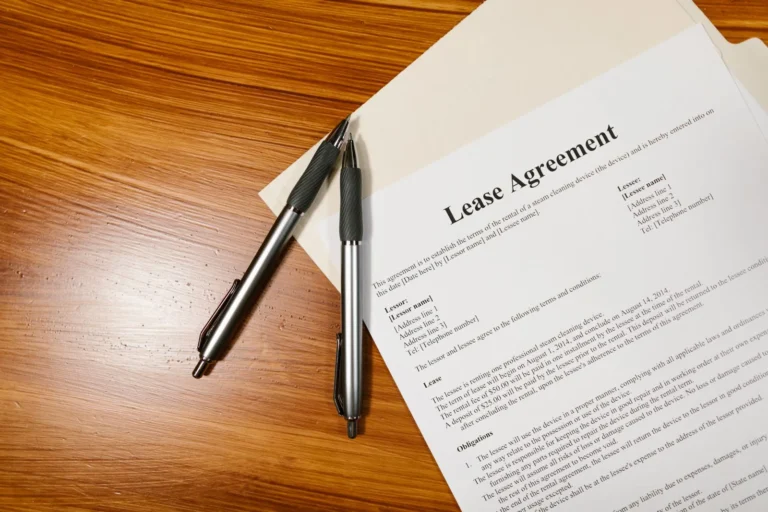
Letting a flat in Poland through an occasional lease (najem okazjonalny)? See the written contract, attachments and notification the Act sets out for the owner.
Building inspections in Poland: gas, chimney and electrical checks an owner must arrange
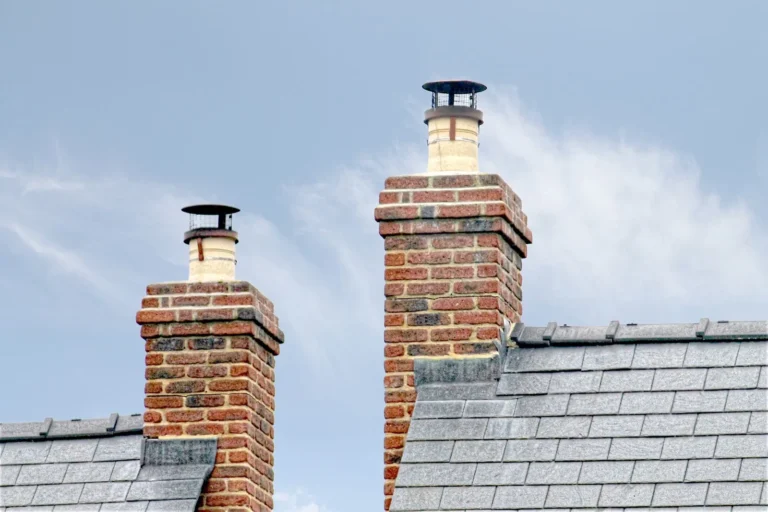
What Articles 61 and 62 of the Polish Construction Law say about yearly gas and chimney checks, the five-year electrical check, and who may carry them out.
Can a foreigner buy a flat in Poland? When you need a permit
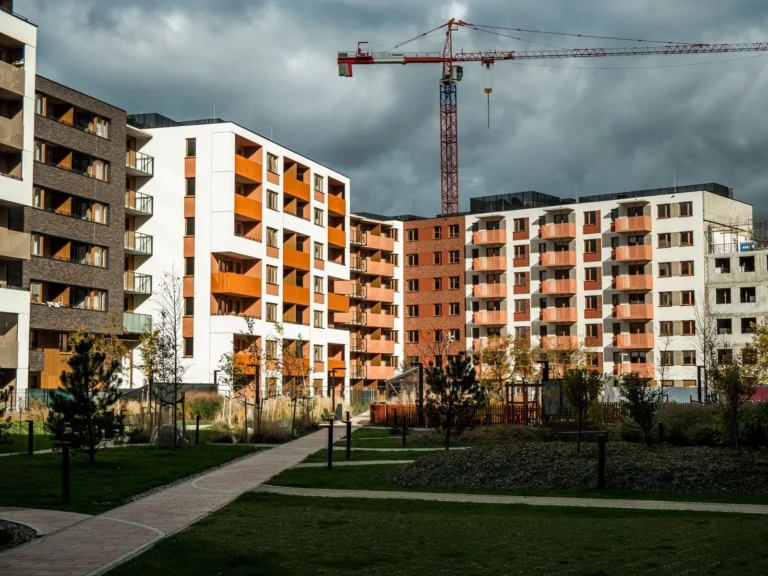
A plain-English look at the Polish Act on the Acquisition of Real Estate by Foreigners: the permit rule, the exceptions for flats and the cases it still covers.
Ready to see offers for your property?
Fill in the calculator, or phone 22 299 11 11 if you would rather speak to a person first.


 English
 Polish
 Ukrainian