
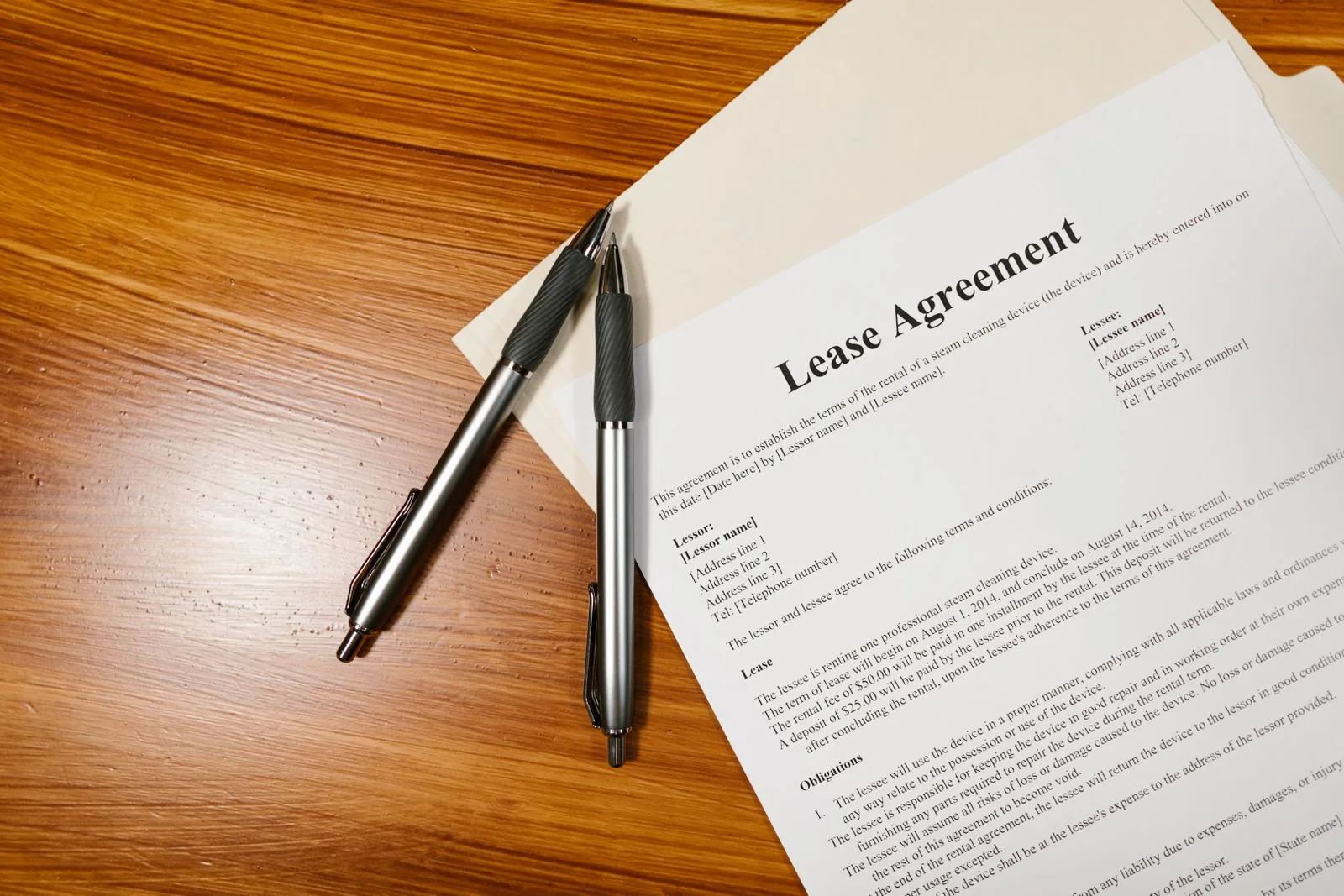
You bought a flat in Poland and now you want to let it. Sooner or later you will meet the term occasional lease (najem okazjonalny). It is a form of tenancy described in the Act on the Protection of Tenants’ Rights (ustawa o ochronie praw lokatorów). This guide follows the Act article by article and shows what the owner has to prepare. It is a plain-language summary of the statute, so read the original text when a detail matters to you.
Who can use an occasional lease
The Act defines the occasional lease in Art. 19a(1) of the Act on the Protection of Tenants’ Rights. It is a lease of a residential flat whose owner is a private individual and does not run a business of letting premises. The contract is concluded for a fixed term of no more than 10 years.
So three things decide whether the form fits your situation: you are the owner, you are a private individual, and you do not let premises as a business. If you have just bought a flat, our guide on whether a foreigner can buy a flat in Poland explains the ownership side.
Put the contract in writing
The lease contract and every change to it need written form, otherwise they are invalid (Art. 19a(6)). The Act uses the words “pod rygorem nieważności”, which means invalidity if the form is not kept.
Attach the documents the Act lists
Several documents go with the contract (Art. 19a(2)). The Act says they are attached “in particular”. Three items are named:
- The tenant’s notarial deed. A statement made in the form of a notarial deed (akt notarialny). In it the tenant submits to enforcement (poddanie się egzekucji) and undertakes to vacate and hand over the flat by the date given in the owner’s demand under Art. 19d(2).
- Another place to live. The tenant names other premises (lokal) where he or she could live if the duty to vacate is enforced.
- The consent of that flat’s owner. A statement from the owner of that other flat, or from a person holding a legal title to it, agreeing that the tenant and the people living with the tenant may live there. If the landlord asks, the signature on this statement is certified by a notary.
If you are the one receiving such a contract, this is what you are signing: a notarial statement about enforcement, the address of a second flat, and the written agreement of whoever is entitled to that second flat.
The notary’s fee
The notary’s remuneration for drawing up the tenant’s statement is no more than 1/10 of the minimum wage for work referred to in the Act on the minimum wage for work (Art. 19a(7)).
If the second flat is lost
Suppose the tenant can no longer live in the flat named in the contract. The tenant must then name another flat and present the new consent statement within 21 days of learning about it (Art. 19a(3)). If the tenant does not, the owner may end the lease in writing with a notice period of at least 7 days (Art. 19d(5)).
Agree a deposit if you want one
The Act allows the owner to make the lease depend on the tenant paying a deposit (kaucja). The deposit secures the owner’s dues at the moment the flat is vacated and the possible costs of enforcing the duty to vacate. It cannot exceed six times the monthly rent for that flat, counted at the rent rate valid on the day the lease is concluded (Art. 19a(4)).
The deposit is returned within one month of the day the flat is vacated, after the owner deducts the dues mentioned above (Art. 19a(5)).
Notify the lease within 14 days
The owner reports the conclusion of the lease to the head of the tax office (naczelnik urzędu skarbowego) competent for the owner’s place of residence. The deadline is 14 days from the day the tenancy starts (Art. 19b(1)). If the tenant asks, the owner must present the confirmation of this notification (Art. 19b(2)).
Do not skip this step. If the owner does not notify the lease, Art. 19c and Art. 19d of the Act do not apply (Art. 19b(3)). Those are the articles on charges, rent increases and the end of the lease described below.
Charges and rent increases
Besides the rent, the owner collects only charges that do not depend on the owner, unless the contract says otherwise (Art. 19c(1)). The owner may raise the rent only on the terms set out in the contract (Art. 19c(2)).
When the lease ends
The lease expires when the agreed period passes, or it is terminated after the notice period ends (Art. 19d(1)). If the tenant has not vacated the flat voluntarily, the Act describes the next steps:
- A written demand. The owner delivers to the tenant a written demand to vacate the flat, with the owner’s signature officially certified (Art. 19d(2)).
- What the demand contains. It names the owner and the tenant, identifies the lease and the reason it ended, and gives a deadline for the tenant and the people living with the tenant to leave. The deadline is not shorter than 7 days from the day the demand is delivered (Art. 19d(3)).
- The court. If the deadline passes without result, the owner applies to the court for an enforcement clause (klauzula wykonalności) on the notarial deed (Art. 19d(4)).
The application needs three attachments: the demand with proof that it was delivered or sent by registered post, a document confirming the owner’s title to the flat, and the confirmation of the notification (Art. 19d(4)).
Insurance is a separate matter
Nothing in these articles deals with insurance, so treat it as its own decision. An owner who lets a flat can read about landlord insurance for a rented-out flat, and a tenant can look at renters insurance for tenants in Poland. The scope of any policy is set in the insurer’s terms (OWU), so read them with the lease in front of you.
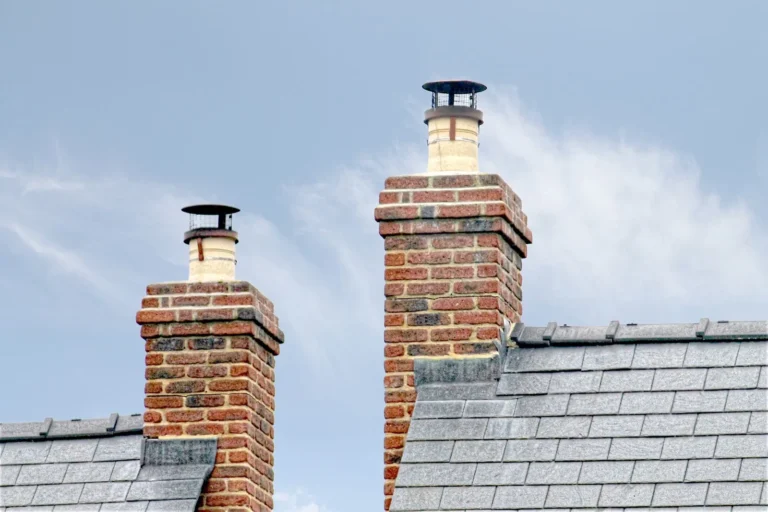
An owner also has duties linked to the building itself. Our guide on building inspections in Poland covers gas, chimney and electrical checks. For the flat as a whole, see our page on apartment insurance, or the overview at property insurance in Poland.
Frequently asked questions
What is the maximum length of an occasional lease?
The contract is concluded for a fixed term that is no longer than 10 years (Art. 19a(1) of the Act on the Protection of Tenants’ Rights).
Does the tenant have to pay a deposit?
The Act says the lease may be made dependent on a deposit, so it is a matter for the contract. If a deposit is taken, it cannot exceed six times the monthly rent calculated at the rate valid on the day the lease is concluded (Art. 19a(4)).
What happens if the owner does not notify the lease?
The owner has 14 days from the start of the tenancy to notify it (Art. 19b(1)). If the owner does not do so, the provisions of Art. 19c and Art. 19d do not apply (Art. 19b(3)). The owner also needs the confirmation of the notification as an attachment to the court application (Art. 19d(4)).
How long must the tenant be given to leave after a demand?
The demand to vacate sets a deadline for the tenant and the people living with the tenant. The Act says this deadline is not shorter than 7 days from the day the demand is delivered (Art. 19d(3)). The demand must be in writing with the owner’s signature officially certified (Art. 19d(2)).
Questions about insuring a flat that you let or rent? Call us on 22 299 11 11 or write through the contact page. You can also use the flat and house calculator at get a quote: the form is in Polish and an explanation of the fields sits below it.


 English
 Polish
 Ukrainian