
If you own a house or a flat in Poland, the Construction Law (Prawo budowlane) gives the owner or manager of a building a set of checks to arrange. This guide goes through Articles 61 and 62 step by step: the yearly gas and chimney checks, the five-year check that includes the electrical installation, and who may carry them out. It describes what the law says. It does not replace technical or professional guidance.
Who the law addresses
The duties sit with the “owner or manager of a building structure” (właściciel lub zarządca obiektu budowlanego). Under Art. 61 of the Construction Law, this person must maintain and use the building in line with Art. 5(2) of the same Act.
Art. 61 adds a second duty. With due care, the owner or manager must ensure safe use of the building when outside factors act on it, whether they come from people or from nature. The Act lists lightning strikes, earthquakes, strong winds, intense rainfall, landslides, fires and floods among them. The duty applies where damage, or a direct threat of damage, could endanger life or health, property or the environment.
This guide does not cover how the duty is shared inside a block of flats. If you have only just bought, the permit rules for buying a flat in Poland as a foreigner are explained in a separate guide.
The yearly check
Art. 62(1)(1) says that building structures should be checked by their owner or manager at least once a year. The check looks at the technical condition of three groups of things:
- Weather-exposed parts: elements of the building, structures and installations exposed to harmful weather and to damaging factors that appear during use (point (a)).
- Environmental installations: installations and equipment that serve environmental protection (point (b)).
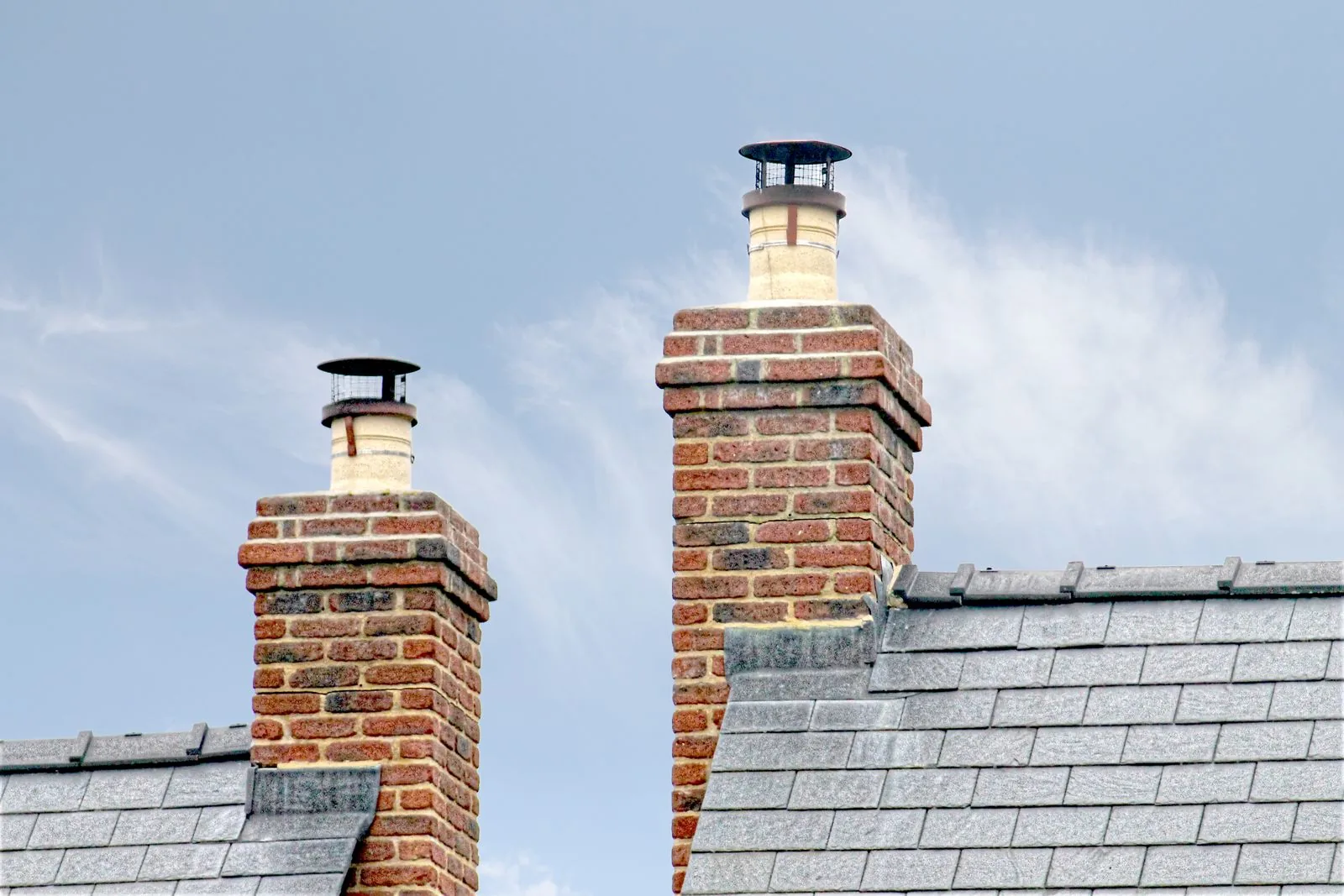
- Gas and chimneys: gas installations and chimney flues, meaning smoke ducts, flue-gas ducts and ventilation ducts (point (c)).
For the gas installation and the chimney flues, then, the law sets a check at least once a year.
What the exemption for houses does and does not cover
Art. 62(2) says that the duty in Art. 62(1)(1)(a) does not extend to owners and managers of single-family residential buildings, or of farm and holiday-home buildings (budownictwo zagrodowe i letniskowe).
Read the exemption narrowly. It names only point (a), the check of weather-exposed elements. It does not mention the check of gas installations and chimney flues in point (c), and it does not mention the five-year check in point 2. So the owner of a detached house or a holiday home is released from point (a) alone.
The five-year check and the electrical installation
Under Art. 62(1)(2), a second check is due at least once every 5 years. It covers the technical condition and fitness for use of the building, its appearance, and its surroundings.
The same check should include the electrical installation and the lightning protection system (instalacja piorunochronna). The Act names what is examined: the condition of connections, fittings, protective devices and shock protection, the insulation resistance of cables, and the earthing of installations and apparatus.
Larger buildings and special situations
For bigger buildings the yearly check is repeated. Art. 62(1)(3) requires the point 1 check at least twice a year, by 31 May and by 30 November. This applies to buildings with a built-up area above 2000 m2 and to other structures with a roof area above 1000 m2.
A further check follows events. Art. 62(1)(4) requires a check of safe use each time one of the circumstances from Art. 61(2) occurs, such as the storms, floods or fires mentioned above.
Two other points are worth knowing. During any of these checks, the carrying out of recommendations from the previous check must be verified (Art. 62(1a)). And if the building supervision authority (organ nadzoru budowlanego) finds a technical condition that may endanger life or health, property or the environment, it orders the check. It may also demand a specialist assessment (ekspertyza) of the technical condition of the building or part of it (Art. 62(3)).
Who may carry out the checks
As a starting point, Art. 62(4) says the checks are carried out by people with building qualifications (uprawnienia budowlane) in the relevant specialty. Two exceptions follow.
- Electrical, lightning protection and gas installations: these may also be checked by people holding the qualifications required for supervising the operation of energy and gas devices, installations and networks (Art. 62(5)).
- Chimney flues: the check of smoke ducts and of gravity flue-gas and ventilation ducts should be carried out by people with the qualifications of a master chimney sweep (mistrz w rzemiośle kominiarskim). People with building qualifications of the right specialty may also check these, and they are the ones named for industrial chimneys, free-standing chimneys, and flues where the draught is forced by mechanical devices (Art. 62(6)).
Checks and your property policy
Property policies come with general terms and conditions (OWU, ogólne warunki ubezpieczenia). When you read them, look for any wording on maintaining the building and its installations, and note it. Wording differs between insurers, so check the OWU of the offer you are considering.
You can read more about cover on our pages for house insurance, apartment insurance and holiday home insurance.
Frequently asked questions
Does the exemption for single-family houses mean no checks are needed?
Not as the Act is worded. Art. 62(2) names only the check in Art. 62(1)(1)(a), the check of weather-exposed elements. The gas and chimney check in point (c) and the five-year check in point 2 are not mentioned in that exemption.
What is the interval for checking the electrical installation?
Art. 62(1)(2) places the electrical and lightning protection examination within the check that is due at least once every 5 years. It covers connections, fittings, protective devices, insulation resistance and earthing.
Who may check a chimney?
For smoke ducts and gravity flue-gas and ventilation ducts, the Act says it should be done by people with the qualifications of a master chimney sweep. People with building qualifications of the right specialty are also named (Art. 62(6)).
What happens to the recommendations from an earlier check?
Art. 62(1a) says that when a new check is carried out, the execution of the recommendations from the previous one must be verified.
If you are comparing cover for a flat or a house in Poland, you can use the calculator on our quote page. The form is in Polish, with the fields explained below it. You can also reach us through the contact page or by phone on 22 299 11 11.


 English
 Polish
 Ukrainian